Reviewing the Hocus Pocus Happy Fall Pumpkin SVG for Blog Graphics
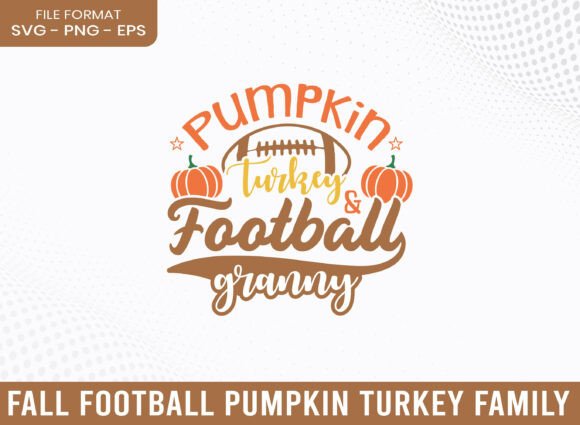
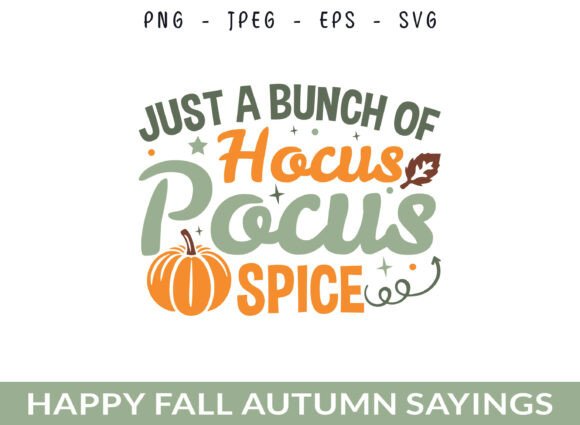
As a blog designer, I assess every graphic design asset not just as art, but as a tool for visual communication. The moment I open the Hocus Pocus Happy Fall Pumpkin Leaf SVG, the immediate impression is one of playful, seasonal charm. It creates an editorial mood that is unmistakably autumn: warm, decorative, and inviting. This is not a sterile, corporate graphic; it’s a lifestyle-focused asset that feels artistic and modern. For a publisher, that mood directly influences reader perception, signaling content that is approachable, creative, and perfectly timed for fall-themed projects.
The Editorial Niche This Design Supports
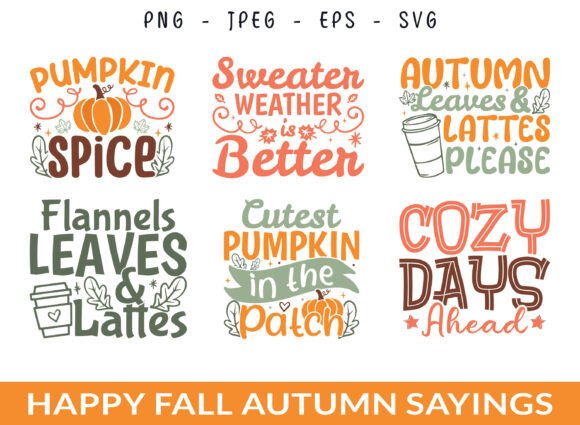
This asset naturally aligns with content niches centered around crafts, seasonal living, home décor, family activities, and creative entrepreneurship. Its vibrant, colorful sayings and pumpkin-leaf motif make it a perfect fit for blogs about DIY, holiday planning, or festive recipes. The playful "Hocus Pocus" phrasing adds a touch of whimsy, making it ideal for content targeting audiences who enjoy a bit of magic in their seasonal celebrations. For a publisher, this specificity is gold; it provides instant category recognition for things like "Fall Crafts" or "Autumn Printables."
Real Publishing Workflow: From Asset to Clickable Content
Imagine a blogger preparing a week of autumn content. Here’s how this SVG integrates into a real publishing workflow. On Monday, it becomes the hero image for a blog post titled "10 Magical Fall Crafts for Kids." On Tuesday, resized and layered with text in Canva, it’s the standout Pinterest pin driving traffic. Wednesday sees it as a newsletter banner announcing a new downloadable guide. By Thursday, it’s the thumbnail graphic for a "Fall Vibes" category page on the website. Finally, on Friday, it serves as the decorative header for a digital worksheet offered as a content upgrade. This one graphic design asset fuels a consistent visual identity across multiple channels.
Concrete Uses in Content Publishing
The product description hints at versatility, but from a publisher’s lens, the key is its vector nature—100 resizable shapes. This isn’t just for t-shirts and mugs. In real publishing, that means:
- Blog Featured Images: Scalable to any blog layout width without losing quality.
- Pinterest Graphics: Easily adapted to the tall pin format with elements rearranged.
- Website Banners & Headers: Creating a strong seasonal branding moment on your homepage.
- Editorial Layout Accents: Breaking up text in long-form digital guides or eBooks.
- Newsletter Graphics: Making email content visually engaging and clickable.
- Lead Magnets & Printables: Serving as the cover art for downloadable resources.
- Social Media Previews: Ensuring your Facebook or Instagram posts look polished.
- Affiliate Content Visuals: Adding professional flair to product roundups or recommendation pages.
- Canva Templates: Becoming the core of a reusable template for your team or audience.
How This Asset Supports Content Performance
Using a well-designed asset like this isn’t cosmetic; it’s strategic. It leads to a stronger first impression, crucial for stopping the scroll. It establishes clearer visual hierarchy when combined with headlines, directing the reader’s eye. For click-through potential, a cohesive, attractive graphic on a Pinterest pin or ad simply performs better. Over time, repeated use across your autumn content builds more consistent branding, which directly improves reader trust. They recognize your style and feel your content is professionally curated.
Optimal Placement for Maximum Impact
This design works best in prominent, attention-grabbing positions. Think hero images at the top of articles, eye-catching Pinterest pins, and bold category thumbnails. It’s excellent for content upgrades like printable craft templates, where the design itself sells the value. As a newsletter header, it instantly sets a seasonal tone. For social media previews, it makes your post stand out in a crowded feed.
Where to Exercise Designer Caution
Even great assets require context-aware application. The detailed, colorful nature of the Hocus Pocus Happy Fall Pumpkin Leaf SVG means it should be used carefully in very small mobile thumbnails, where details might become muddy. Avoid overlaying it on already text-heavy blog images, as it could create visual clutter. On low-contrast backgrounds or within busy layouts, its impact may be lost. It’s also not suited for serious professional niches like corporate finance reports or medical journals, where a minimal visual system is required.
Practical Publisher Notes Before You Go Live
Before publishing any content with this asset, run these real-world tests. Always test it on desktop and mobile screens to ensure scalability. Check how it looks as a thumbnail in your blog’s sidebar or archive page. Preview it inside a real blog layout with your actual headline text to assess contrast and readability. Try placing it beside different font styles—a serif font for traditional elegance, a sans serif for modern clean lines, a script font for added whimsy—to see what pairing strengthens your message. For web performance, review the final exported file size and compress images properly. Most critically, confirm the commercial licensing terms before using it on monetized websites, affiliate pages, or within paid digital products like eBooks. This is a non-negotiable step for any professional digital publisher.
The Final Word on This Autumn Graphic
The Hocus Pocus Happy Fall Pumpkin Leaf SVG is more than a cute fall graphic. For bloggers, content creators, and small business owners, it’s a ready-made component for a stronger autumn content strategy. Its vector foundation offers unparalleled flexibility for web design and editorial design. Its playful yet polished aesthetic supports content marketing aimed at building engagement and trust. When integrated thoughtfully—from blog graphics to digital guides—it elevates the entire visual presentation of your seasonal publishing, making your work not only more beautiful but more effective. That’s the real magic of a well-chosen design asset.